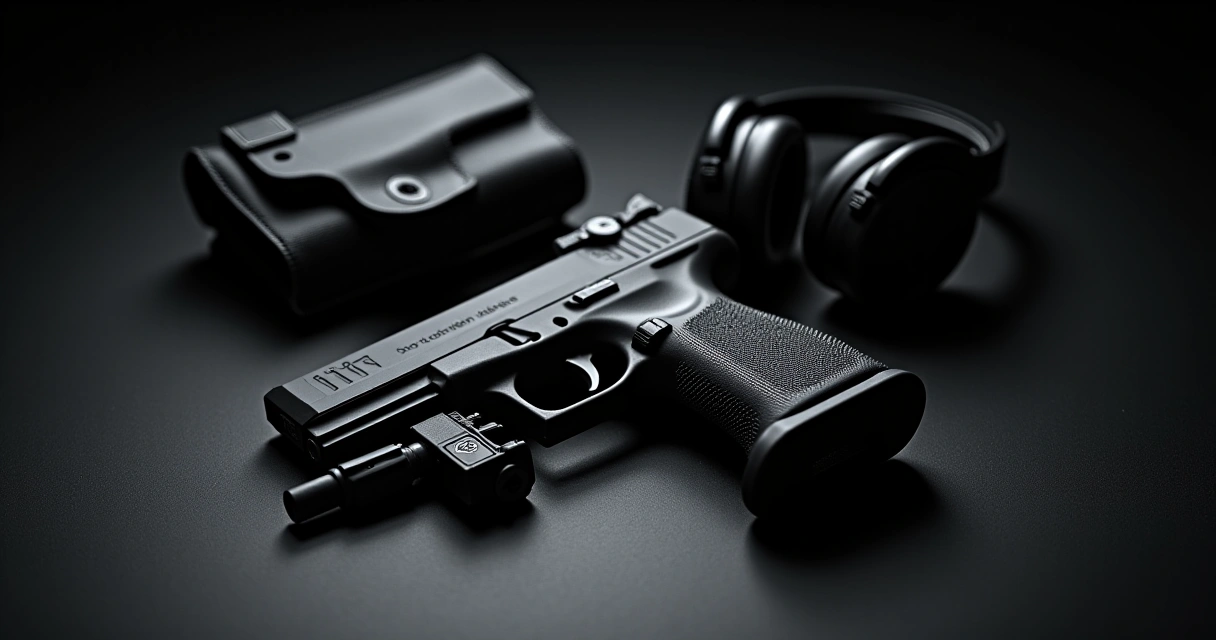
Red Dot vs Iron Sights: What Works for Home Defense

This article contains affiliate links. If you buy through our links, we may earn a commission at no extra cost to you. Full disclosure.
Red Dot vs Iron Sights: What Works for Home Defense
Red dots give you faster sight acquisition and better first-shot accuracy under stress. That’s not marketing — it’s simple physics and human factors. But speed without redundancy and training is how good gear becomes a liability.
Speed and accuracy: red dots win. Under stress your eyes stop doing fine-detail work. A red dot hands you a single reference point. You look at the threat and put the dot on it. No alignment of front and rear. That shaves seconds off acquisition and improves the chance your first round lands where you need it. Military and police use them for a reason.
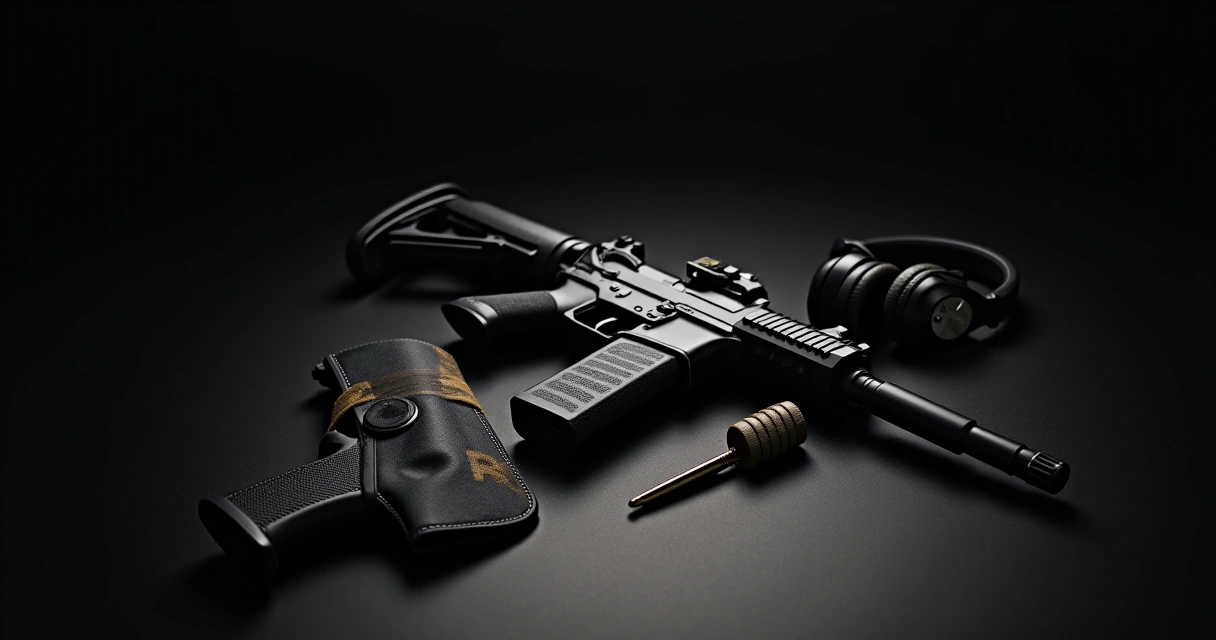
That advantage is most pronounced inside the house — 3 to 50 yards. You don’t need magnification. You need speed, a clear picture in low light, and the ability to index under movement. A quality 2–3 MOA dot is ideal for pistols and carbines because it balances speed and precision. Bigger dots make fast hits easier at the cost of finer shot placement. Know what you want.
Iron sights aren’t obsolete — they’re the safety net. They don’t require batteries. They don’t fail because of a dropped optic or a cracked lens. Properly set up ghost rings or battle-sight peeps are fast and effective at the typical engagement distances in a home. Cheap iron sets designed for long sight radius rifles are not the same as a compact home-defense setup. If your primary is a red-dot-equipped carbine, co-witness or low 1/3 iron backup is mandatory.
Failing to plan is planning to rely on luck. I've seen optics fail in simple ways: dead battery, loose mount, lens crack, or fogged internals after exposure to heat or water. Cheap red dots fail more often. Brands sell you confidence with glossy ads. Test gear, then trust it with training — not the other way around.
For shotguns, ghost rings and a weapon light are honest, cheap solutions. They’re fast and durable. A red dot can work on a shotgun, especially modern builds with optics-ready receivers, but it adds weight and a new failure mode. Try ghost rings and training first before spending on optics for a pump or home-defense scattergun.
Zeroing and practical setup. Zero your carbine or pistol optic for realistic distances: 25 yards is a good baseline for pistols; 50 yards or a battle-zero for ARs that might see longer shots. Make sure dot height matches your irons if you plan to co-witness. Keep spare batteries and a simple tool for mount screws in your range bag and at home.
Train smarter, not just more. Spend time on transitions between sights, shooting with your dominant eye under low light, and dealing with common failures — battery pull, dot loss, or mounting shift. Dry-fire the dot and irons. Run live drills until your muscle memory doesn’t care which sight you’re using.
My read: the red dot is the superior primary for home defense when used correctly. But it’s not magic and it doesn’t replace basic redundancy and competence. If your plan is optics-only and zero training with backups, you’ve already lost the advantage the dot gives you.
Reed's actual take: what this means and what to do about it. Buy a quality red dot if speed matters for you. Keep solid iron backups. For shotguns, start with ghost rings and a light before throwing money at optics. Zero at realistic distances. Carry spare batteries and tools. Train transitions and failures until they’re automatic. If you do those things, you'll have the advantage when the lights go out and the noise starts. If you skip any of them, the gear won’t save you.